HRCP sounds alarm on shrinking freedoms and eroding judicial independence in 2025
Report cites surge in enforced disappearances, misuse of cybercrime laws, and growing pressure on media, judiciary, and civil society


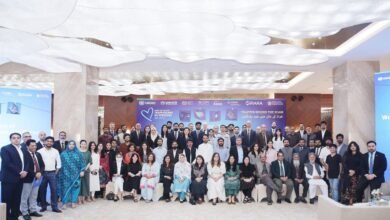
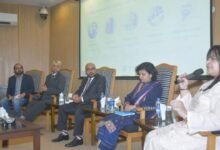
Pakistan’s human rights situation deteriorated sharply in 2025, marked by a severe contraction of civic space, erosion of judicial independence, and worsening insecurity, according to the annual “State of Human Rights in 2025” report released by the Human Rights Commission of Pakistan. Launched in Islamabad on Monday, the report was presented by HRCP Chairperson Asad Iqbal Butt, alongside former chairperson Hina Jilani, co-chairperson Munizae Jahangir, vice-chair Nasreen Azhar, and Secretary General Harris Khalique.
Calling the findings alarming, Butt described the report as “not a report, but a charge sheet,” stating that human rights in Pakistan were at their worst. He revealed that at least 273 enforced disappearance cases were recorded in 2025, with only a small number traced, while many victims remain unaccounted for. “If anyone has committed a crime, they must be produced before a court of law,” he said, noting that thousands have remained missing for years.Khalique added that the report documents a wide range of constitutional and human rights violations now firmly on record.
🔴 Freedom of expression, rule of law under stress: HRCP launches 2025 report
4 May 2026, Islamabad. The Human Rights Commission of Pakistan (HRCP)’s annual report, State of Human Rights in 2025, documents a year marked by a severe contraction of civic space, the erosion of… pic.twitter.com/CCF9fBke7l
— Human Rights Commission of Pakistan (@HRCP87) May 4, 2026

The report identifies freedom of expression as the most severely curtailed right during the year. It notes that the ability to question authority and demand accountability was systematically suppressed through legal and institutional means. Amendments to the Prevention of Electronic Crimes Act (PECA), along with the use of sedition and the Anti-Terrorism Act 1997, were widely used to target journalists, activists, political workers, and even lawyers.
A climate of fear deepened as reports of intimidation, enforced disappearances, and restrictions on movement led to widespread self-censorship, limiting public discourse and obscuring violations.The report also raises serious concerns over expanded state powers. Amendments to the Anti-Terrorism Act at both federal and Balochistan levels now allow law enforcement agencies — and in some cases the armed forces to detain individuals for up to three months without charge or judicial oversight, undermining due process and protections against arbitrary detention.
Judicial independence, the report warns, suffered a significant blow following the passage of the 27th Constitutional Amendment of Pakistan, which altered judicial appointments and increased executive influence over the courts.Key judicial decisions during the year further narrowed democratic space. These included rulings that enabled military trials of civilians and decisions that effectively sidelined the Pakistan Tehreek-e-Insaf (PTI) by denying it reserved seats granted after the 2024 elections—raising concerns over due process and separation of powers.
Security challenges compounded the crisis. According to HRCP, over 1,200 militant attacks and counterterrorism operations were recorded in 2025, resulting in more than 3,400 deaths. The brunt of the violence was borne by Khyber Pakhtunkhwa and Balochistan, with significant civilian and law enforcement casualties.Enforced disappearances, extrajudicial killings, and collective punishments persisted, while police encounters surged, raising serious questions about accountability and legality.
Vulnerable groups remained disproportionately affected. Women, children, religious minorities, and transgender persons continued to face widespread violence and discrimination with little effective redress. The report also highlights the precarious conditions of miners and sanitation workers, who remain exposed to hazardous working environments with minimal safety improvements. Socioeconomic conditions showed little relief. Unemployment rose, labour rights violations persisted, and millions remained underpaid. Access to education and healthcare remained limited, with over 25 million children out of school and widespread malnutrition affecting millions.
Climate change further intensified vulnerabilities. Extreme weather events, including floods and heatwaves, displaced communities and caused loss of life, particularly in Gilgit-Baltistan, where infrastructure was severely damaged. HRCP criticised the government’s largely reactive, rather than preventive, response to these crises.
Despite the grim outlook, the report notes some incremental progress. The passage of the National Commission for Minorities Act marked a long-awaited step toward institutional protection for religious minorities. Similarly, child marriage restraint laws in Islamabad and Balochistan, along with key court rulings on women’s inheritance and marriage rights, offered limited but important gains.
However, HRCP concludes that these positive developments were overshadowed by systemic governance failures, expanding executive power, and the continued shrinking of democratic space.In its final assessment, the commission warns that the sustained erosion of fundamental freedoms particularly freedom of expression poses a direct threat to democracy. Without urgent reforms to restore institutional balance, ensure accountability, and protect citizens’ rights, Pakistan risks further democratic backsliding.