Stakeholders Stress Authorities To Consult Public Interest Local Media On Digital Advertisement Policies

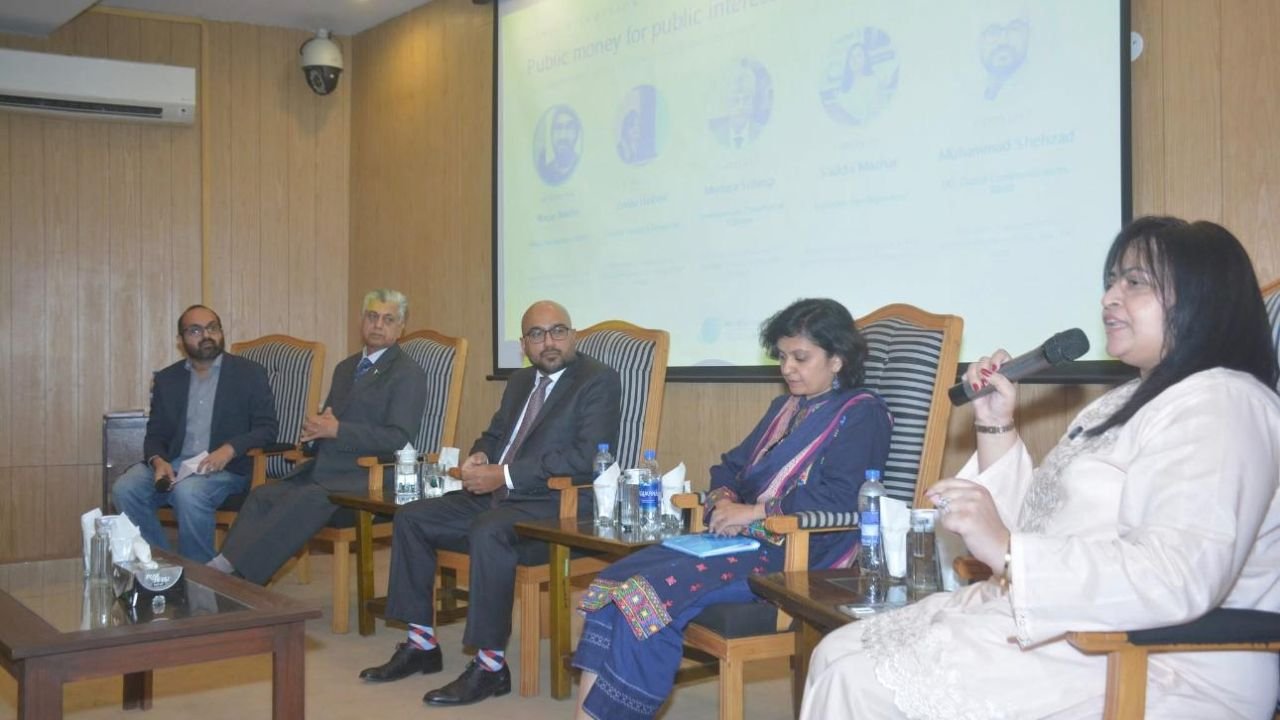

ISLAMABAD: “Independent media needs finances to stay viable; nevertheless, in a rapidly digitalizing society, the ecosystem of independent digital media prioritizing public interest journalism in Pakistan confronts tricky viability challenges. The situation requries equitable and transparent policy framework for distribution of public sector advertisements among the media platforms, with a specific objective to promote public interest journalism in the country.”
This was stated by Muhammad Aftab Alam, Executive Director of IRADA (Institute for Research, Advocacy and Development) during a stakeholder dialogue, jointly organized by IRADA and the SZABIST University, Islamabad, with assistance of the International Media Support (IMS) to launch a premier study, titled: Public Money, Public Interest – Aligning Pakistan’s Digital Media Advertising Policies with Professional Media Mandates.
The study, produced by IRADA with IMS support and co-authored by Dr Tehreem Azeem and Mr. Adnan Rehmat, is conducted in the context of recent federal and provincial digital media advertising policies allocating ads for digital publishers in response to the growth of content and audiences online.
While explaining the methodology and key findings of the study, Dr Tehreem Azeem said that the study examines how these policies weigh against the metrics of relevance, purpose and representation. It includes a comparative analysis of the digital media advertising policies and the experiences of a cohort of independent public interest media across the country with these policies.
Mr. Adnan Rehmat, an experienced media development expert and a co-author of the report, stated that the report attempts to propose fair, transparent rules to support Pakistan’s independent digital journalism – by platforms and individuals – and fair advertising policies while serving public interest. “While federal and provincial governments now recognize “digital media” in advertising policies, the rules often fail to distinguish public-interest journalism from influencers, vloggers, marketing agencies or entertainment content, leaving independent news platforms without clear legal, taxation or advertising categories. Therefore, the platforms which report on governance, human rights, marginalized communities, regional issues, public services, conflict and accountability are frequently under-supported and commercially challenging ”, Mr. Rehmat explained.


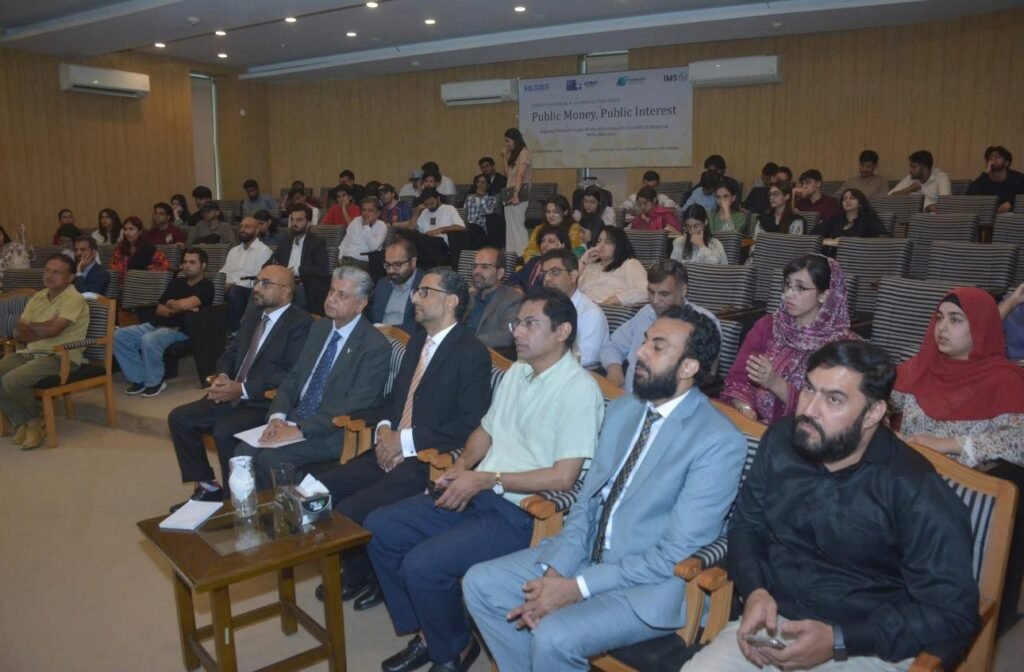
The report launch included a panel discussion with expert representatives of media, creators, government and policymaker stakeholder groups. Speaking at the panel, journalist and media entrepreneur, Saddia Mazhar highlighted the need for transparency and people’s access to information about spending of public advertising funds. Another panelist, Ms. Zeeba Hashmi, a journalist and education expert, stressed that ad policies should ensure that journalists and creators are supported so the public can be informed about important civic issues through their work.
Mr. Muhammad Shahzad, Director General Digital Communication Department (DCD) of Federal Ministry of Information and Broadcasting, informed that so far 259 publishers and 55 advertising agencies have been registered with the Ministry. “The policy has been revised twice and can be reviewed again. However, we are in process of developing an automated, AI based system to review social media analytics of digital media publishers, Mr. Shahzad said.
Mr. Murtaza Solangi, in his closing remarks, stated that theres is a need to go forward and engage with the official machinery and policy makers, who make such policies, and influence them to ensure that these polices support the public interest journalism. “The independent, non-legacy digital news media platforms should not just wait for the government funding. They should diversify their revenue sources,” Mr. Solangi said.