First-Ever Female Representation in Tribal Jirga Marks New Chapter for Women’s Inclusion

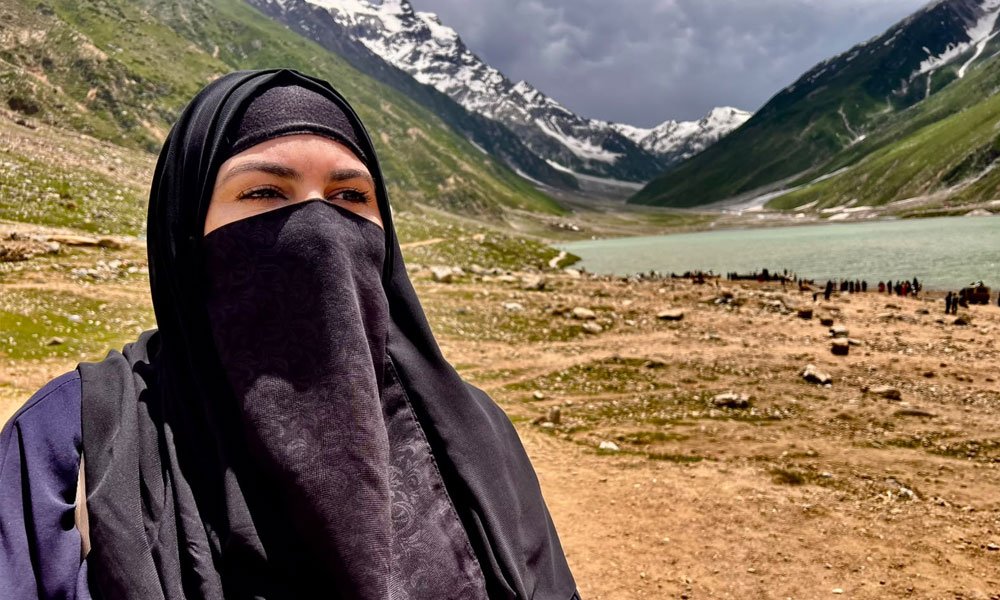

A significant milestone in gender inclusion has been achieved in Khyber Pakhtunkhwa’s tribal districts, with a woman being appointed to a District Reconciliation Council, or jirga, in Upper South Waziristan for the first time.
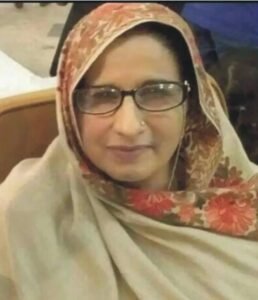
According to a notification issued by the Regional Police Officer (RPO) of Dera Ismail Khan, social activist and journalist Razia Mehsud has been appointed as a member of the 17-member council.
In addition to Razia Mehsud, another woman, Gulshan Bibi, has also secured a place in a jirga. She has been appointed as a member of the District Reconciliation Council in Dera Ismail Khan.
Razia Mehsud’s inclusion in the jirga was recommended by Upper South Waziristan District Police Officer (DPO) Arshad Khan to ensure that women’s perspectives are represented in the local justice system.
Speaking to Hum News, Razia said she is a daughter of Waziristan and is not only well acquainted with tribal customs and traditions but also has a deep understanding of the challenges faced by women in the region.

She said that ensuring justice and protecting the fundamental human rights of women and other marginalized groups is the primary mission of her life, adding that she will continue working towards that goal with full dedication.
Her appointment to the jirga has been welcomed by local tribal and social circles, which described it as a historic milestone. According to them, Razia Mehsud’s inclusion will provide women in the region with a safe and effective platform to present their concerns.
Traditionally, such reconciliation councils have consisted only of men, resulting in women’s issues often being overlooked or not fully understood.
Social leaders said the decision would increase women’s confidence and encourage them to come forward more openly in resolving domestic and social disputes.
According to the district administration, the objective of the decision is to improve the resolution of sensitive disputes while promoting justice, equality, and transparency in the region.