“Sanf-e-Nazuk, Azm-e-Aahan” Exhibition Concludes at RAC Showcasing Women Artists’ Perspectives on Historic Forts

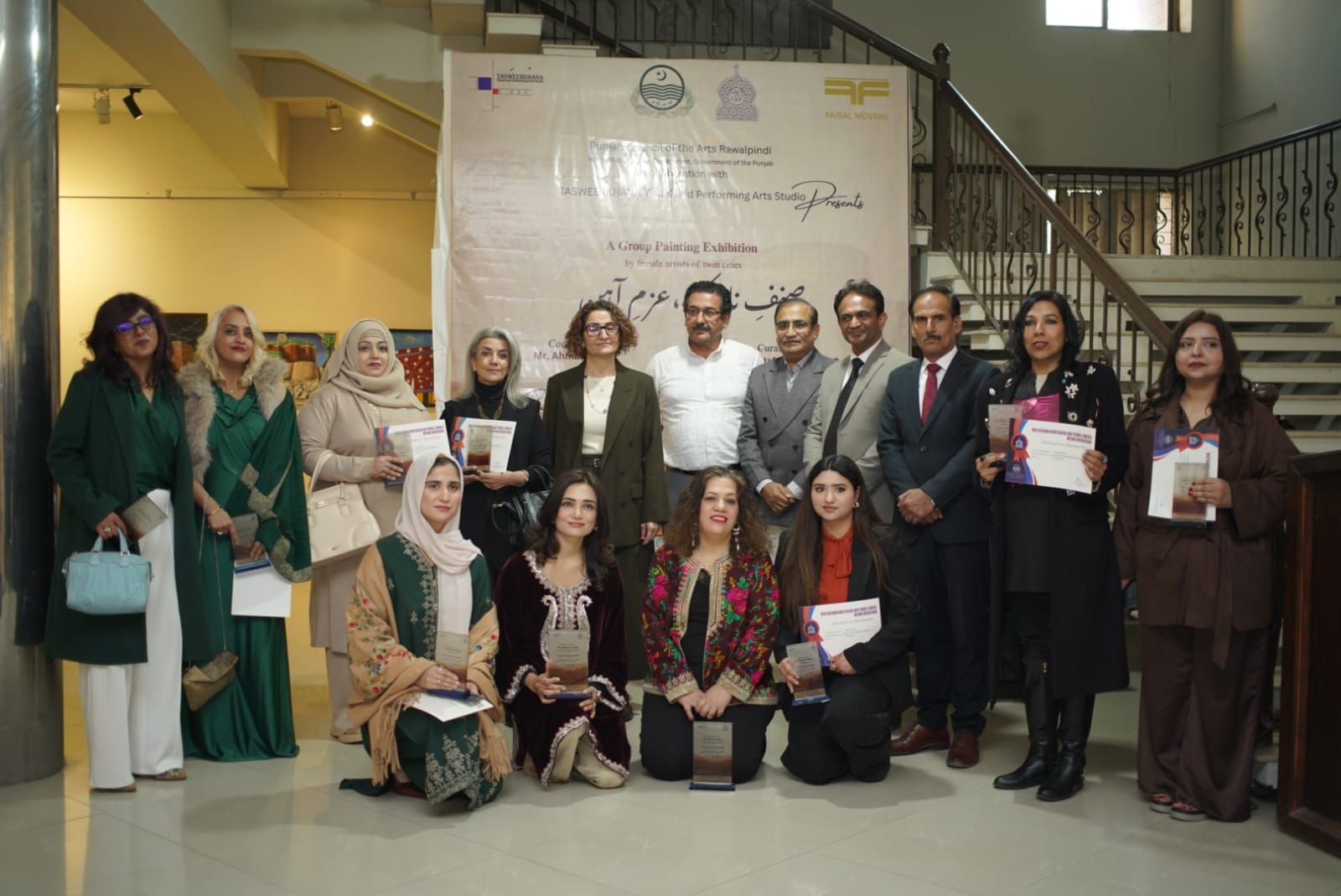

The unique exhibition titled “Sanf-e-Nazuk, Azm-e-Aahan” concluded yesterday at the Potohar Art Gallery of the Punjab Council of the Arts, Rawalpindi.Organized by Ahmed Habib, founder of “Tasveer Khana” in Islamabad, the exhibition was regarded as a first-of-its-kind event in several respects.
The exhibition featured paintings of various famous forts of the country created by ten women artists from the twin cities. As many as 11 women artists from the twin cities, including Ambreen Rashid Khan, Ala Hai Mawaz Zulqarnain, Hala Masood, Khadija Umar, Ismat Jabeen, Kanwal Nafees, Saleha Faisal, Salut Hijazi, Shahla Moazzam, Sunaina Rehmat and Zainab Mawaz, presented their artworks to visitors.


The central idea behind the showcase was to explore how Pakistan’s contemporary women artists perceive, through their artistic expression, the historic forts that once symbolized military strength, political authority, and governance, and that still stand as enduring emblems of grandeur and power.
Dozens of artworks depicting these forts were put on display. The pieces were created using diverse mediums, including watercolor, oil paint, and embroidery.
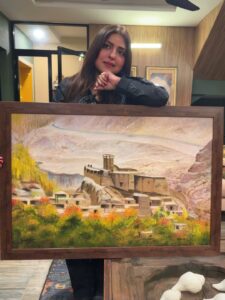
Among the ten participating artists was Ismat Jabeen, who presented her painting of the historic Altit Fort in Gilgit-Baltistan. Nearly one thousand years old, Altit Fort is the most prominent architectural landmark of the Hunza Valley and served for centuries as the residence of Hunza’s rulers.
The exhibition offered visitors an opportunity to see how ten different women painters from Pakistan viewed and interpreted this and several other historic forts.
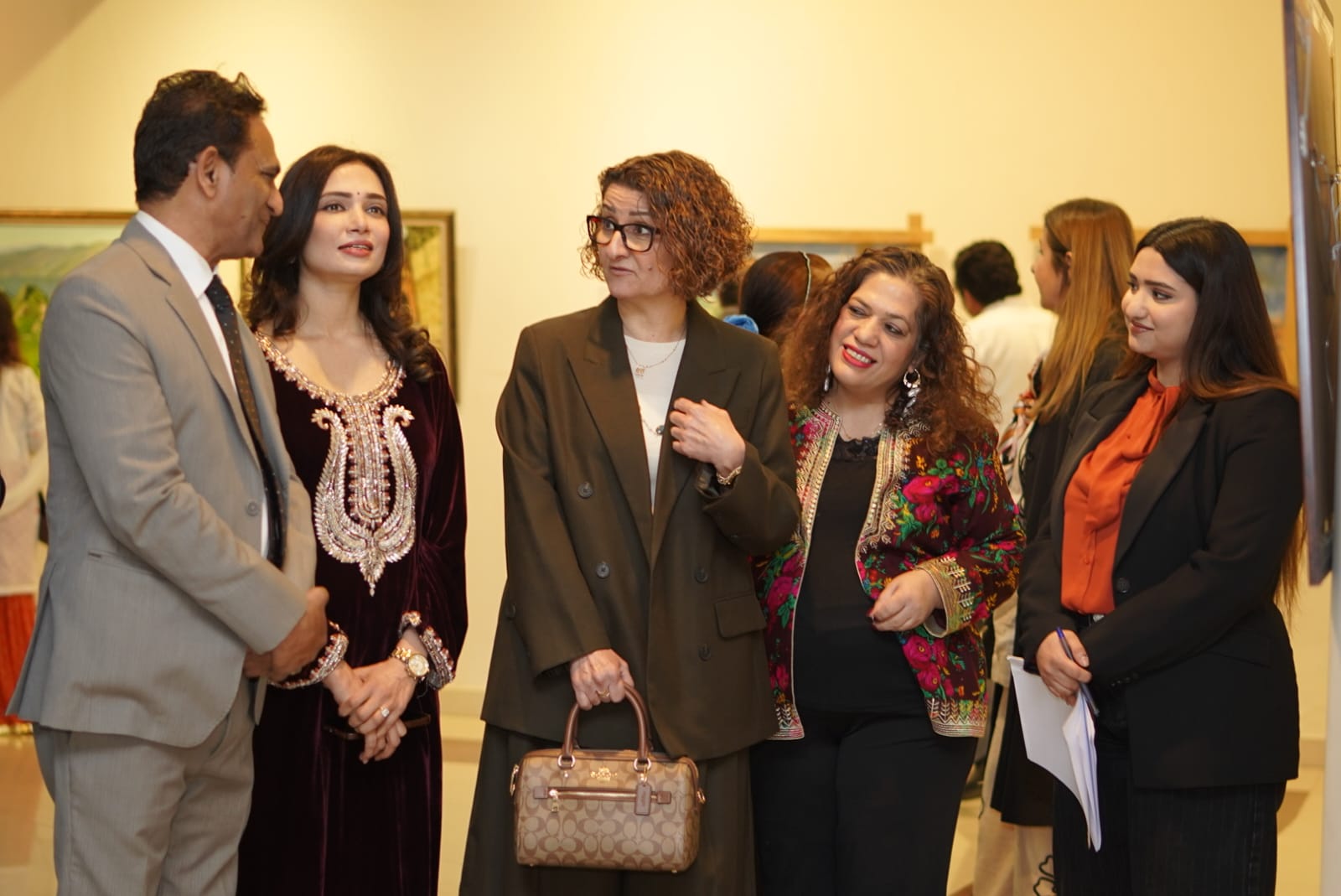
The opening ceremony was attended by the female Ambassador of the Turkish Republic of Northern Cyprus to Pakistan as the chief guest. The event was a source of pride and satisfaction for the Punjab Council of the Arts Rawalpindi, Potohar Art Gallery, Tasveer Khana, and all participating women painters.