
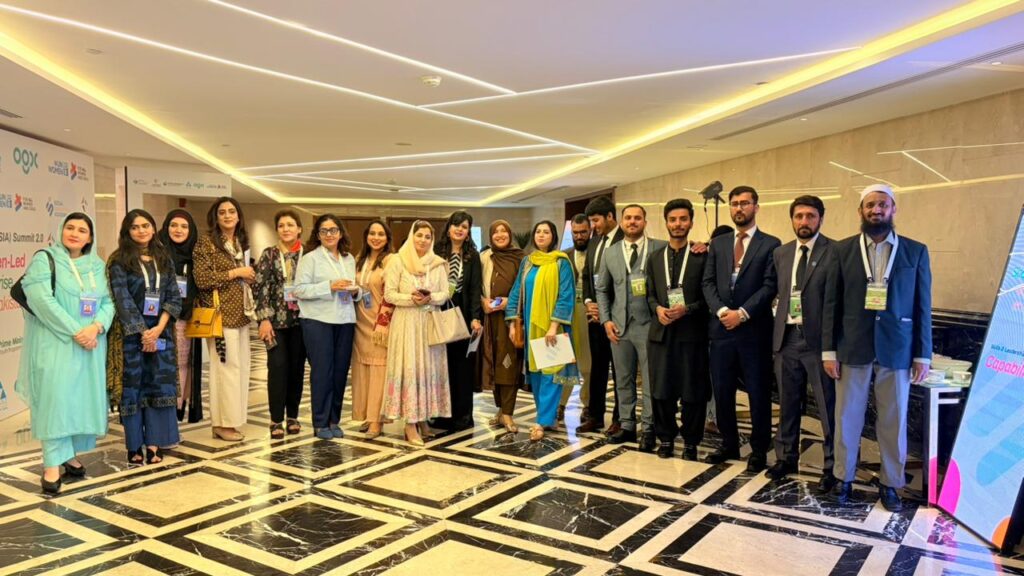
Islamabad emerged as a vibrant hub of ideas and collaboration as the Social Innovation Academy (SIA), in partnership with the Prime Minister’s Youth Program (PMYP), convened the SIA Summit 2.0 under the theme “Building a Women-led Social Enterprise Ecosystem in Pakistan.” The event brought together more than 300 participants from across the country, including policymakers, development practitioners, youth leaders, and grassroots entrepreneurs, creating a rare space where dialogue translated into tangible pathways for action.
More than just a conference, the gathering reflected a growing momentum around social entrepreneurship in Pakistan—particularly initiatives led by women who are increasingly challenging traditional barriers to participation in the economy. Attendees did not simply exchange ideas; they sought to build alliances, test solutions, and explore opportunities for scaling their ventures in a rapidly evolving landscape.
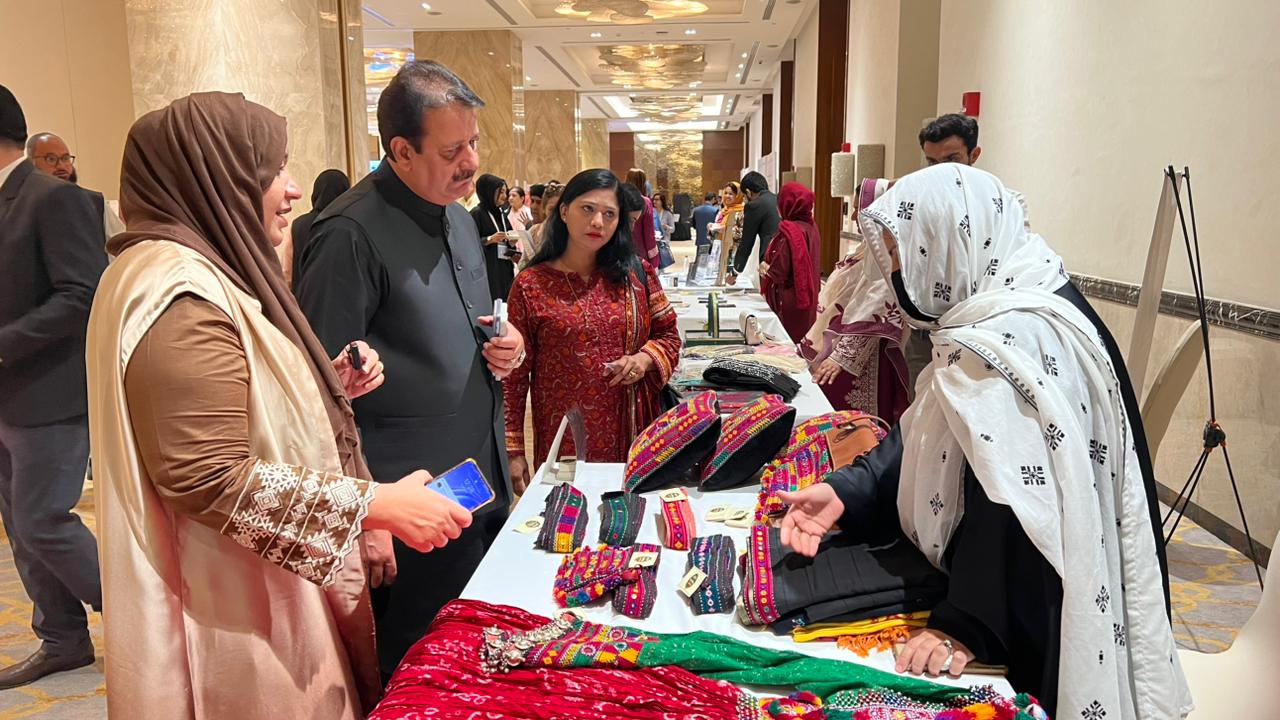
The summit featured a series of keynote addresses, panel discussions, and interactive sessions, complemented by a Women’s Innovation Marketplace that showcased women-led enterprises spanning both social and commercial sectors, particularly small and medium-sized businesses. From handcrafted products and digital services to community-based initiatives, the marketplace illustrated the diversity and resilience of women entrepreneurs operating across Pakistan.
Central to the discussions were themes of inclusivity, digital transformation, and structural reform. Participants emphasized the urgent need to bridge gender gaps in access to finance, technology, and markets—areas where women continue to face systemic challenges. Conversations also highlighted the importance of mentorship, cross-sector partnerships, and investment pipelines that can support women entrepreneurs beyond the startup phase and into sustainable growth.

In their remarks, Ali Zain ul Abidin, CEO of SIA, and Rana Mashood, former parliamentarian, stressed that empowering women within the social entrepreneurship ecosystem is not merely a question of representation or equity. Instead, they framed it as an economic imperative, noting that increased participation of women in enterprise can significantly contribute to Pakistan’s overall economic development and resilience. Their statements echoed broader global evidence linking women’s economic inclusion to stronger and more inclusive growth trajectories.
One of the summit’s most notable milestones was the launch of the Social Enterprise Network Pakistan (SENPak), envisioned as a national platform to connect social entrepreneurs—especially women—with investors, mentors, and institutional partners. The initiative aims to address a longstanding gap in Pakistan’s entrepreneurial ecosystem by creating structured linkages between innovators and the resources they need to scale their impact.
In parallel, a Collaborative Projects Lab brought participants together to co-create practical roadmaps for future initiatives. These discussions resulted in preliminary commitments around projects focused on digital inclusion, women’s economic empowerment, and collaborative partnerships across sectors. While still in early stages, these roadmaps signal a shift from dialogue to implementation—an area often identified as a gap in similar forums.
For many participants, particularly those from underrepresented regions, the summit provided a valuable platform for visibility and connection. Rubab Shah and Sana Hassan, both emerging voices in Pakistan’s political and entrepreneurial spheres, highlighted how such gatherings enable them to present their work to a broader audience while also learning from peers and experts. They emphasized that for entrepreneurs from regions like Balochistan, access to such networks can be transformative, opening doors that are otherwise difficult to access.
Organizers also underscored the importance of collective action in driving social change. Marium Shah, representing the Marium Foundation—one of the key partners behind the event—described their work as part of a broader effort to provide women and children with access to education and income-generating opportunities. She noted that initiatives like the summit help amplify grassroots efforts, linking them with national and even global conversations on development and innovation.
Despite its successes, participants pointed out areas for improvement. One recurring recommendation was the adoption of a more inclusive, multilingual format in future editions to ensure broader participation. Given Pakistan’s linguistic diversity, such a shift could enable more meaningful engagement, particularly for grassroots entrepreneurs who may be less comfortable communicating in English.
The SIA Summit 2.0 ultimately highlighted both the progress made and the challenges that remain in building an inclusive social enterprise ecosystem in Pakistan. By centering women-led innovation and fostering cross-sector collaboration, the event positioned Pakistan as an active contributor to global conversations on social entrepreneurship and sustainable development.
More importantly, it underscored a growing recognition that empowering women entrepreneurs is not a peripheral concern but a central pillar of the country’s socio-economic future. As initiatives like SENPak take shape and collaborative projects move toward implementation, the real test will lie in sustaining this momentum and translating commitments into lasting impact—ensuring that the conversations sparked in Islamabad lead to measurable change across communities nationwide.