

From Balochistan to Washington: Walwala Bashir’s Journey to Shape Inclusive Policy

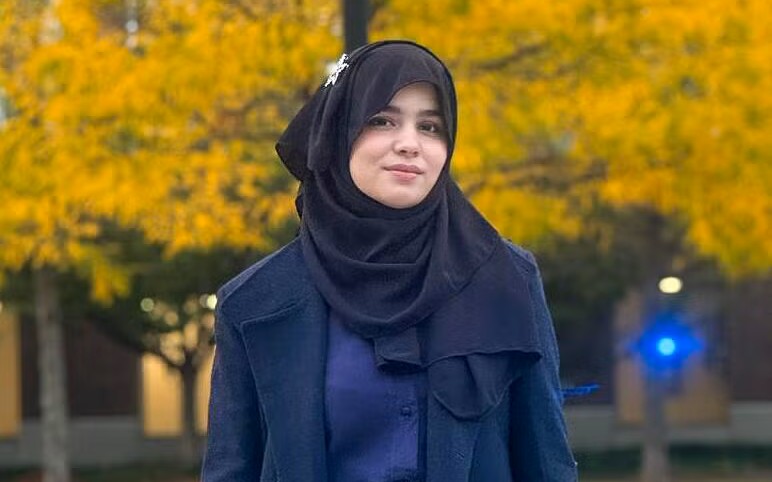

More than 7,000 miles from the rugged landscapes of Balochistan to the corridors of policy in Washington, DC, Walwala Bashir’s (MIDP’26) journey reflects determination shaped by lived realities and a deep commitment to change.
Raised in Quetta, the capital of Pakistan’s largest yet most underdeveloped province, Bashir grew up witnessing a stark contradiction. Balochistan, rich in natural resources and marked by sweeping mountains and deserts, remains the country’s poorest region. For Bashir, the divide between the province’s potential and its persistent challenges was not abstract—it was part of everyday life.
As a young woman, she experienced these inequalities more sharply. Opportunities were unevenly distributed, and gender often determined access to education, participation in decision-making, and visibility in public life. “I was always surrounded by a cultural setup where women were designated or attached to a few roles,” Bashir recalls.
Determined to challenge these norms, she began taking action during her undergraduate years. She launched a campus initiative aimed at increasing women’s participation in student governance. Through events and speaking sessions featuring women professionals, she created platforms where girls from conservative backgrounds could imagine themselves in roles traditionally considered out of reach. Her message was simple but powerful: if she could do it, others could too.


“The goal was always the same: I wanted more women to be in education, because education for women is not a priority in the region,” she says.
Yet Bashir understood that grassroots efforts alone were not enough to address broader structural issues. With limited job opportunities in her hometown and mounting societal expectations on young women, she made a decisive move. In her sixth semester—before completing her undergraduate degree—she applied to the McCourt School of Public Policy and secured admission.
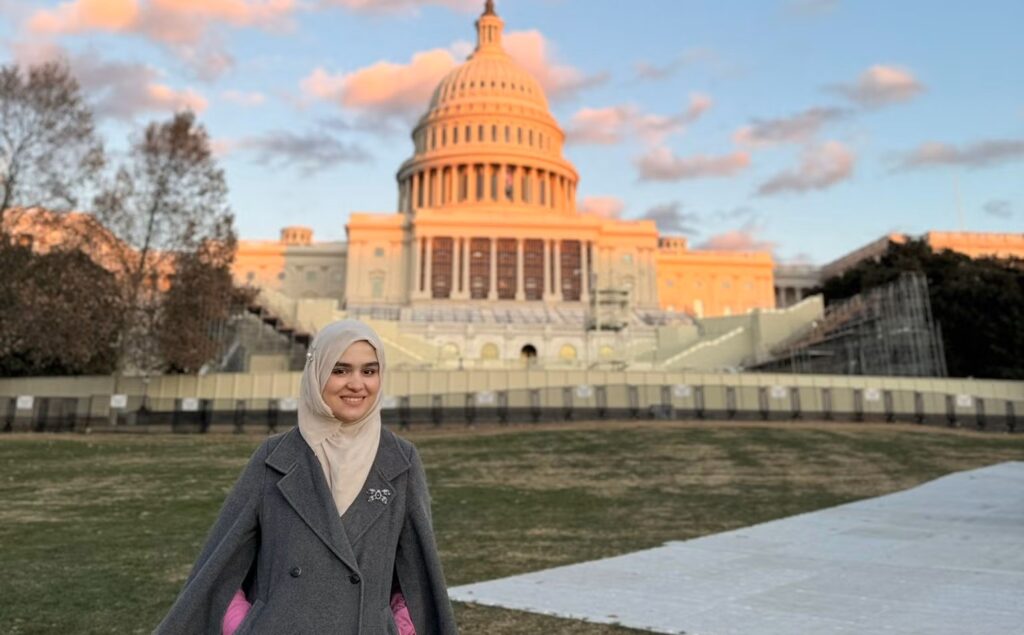
Just one month after graduating from the Balochistan University of Information Technology, Engineering and Management Sciences with a degree in international relations, Bashir arrived in the United States. It was her first time leaving Pakistan. Adjusting to life in Washington, DC, required independence and resilience.
“It was a very transformative journey,” she says. “I was doing everything on my own for the first time—navigating the city, finding housing, everything.”
At McCourt, she began her master’s in international development policy, fully aware that the program’s quantitative rigor would challenge her. With the support of institutional resources and teaching assistants, she successfully adapted and strengthened her academic foundation.
Beyond academics, Bashir actively engaged with her new environment. Having experienced the challenges of transition herself, she joined Georgetown University’s International Ambassador Program, where she helped incoming international students adjust both academically and socially.
During her first year, she also participated in the McCourt School’s Public Policy Challenge. Her team developed a proposal focused on building support systems to help immigrant parents better navigate the American education system—an idea that earned them a place among the competition’s finalists.
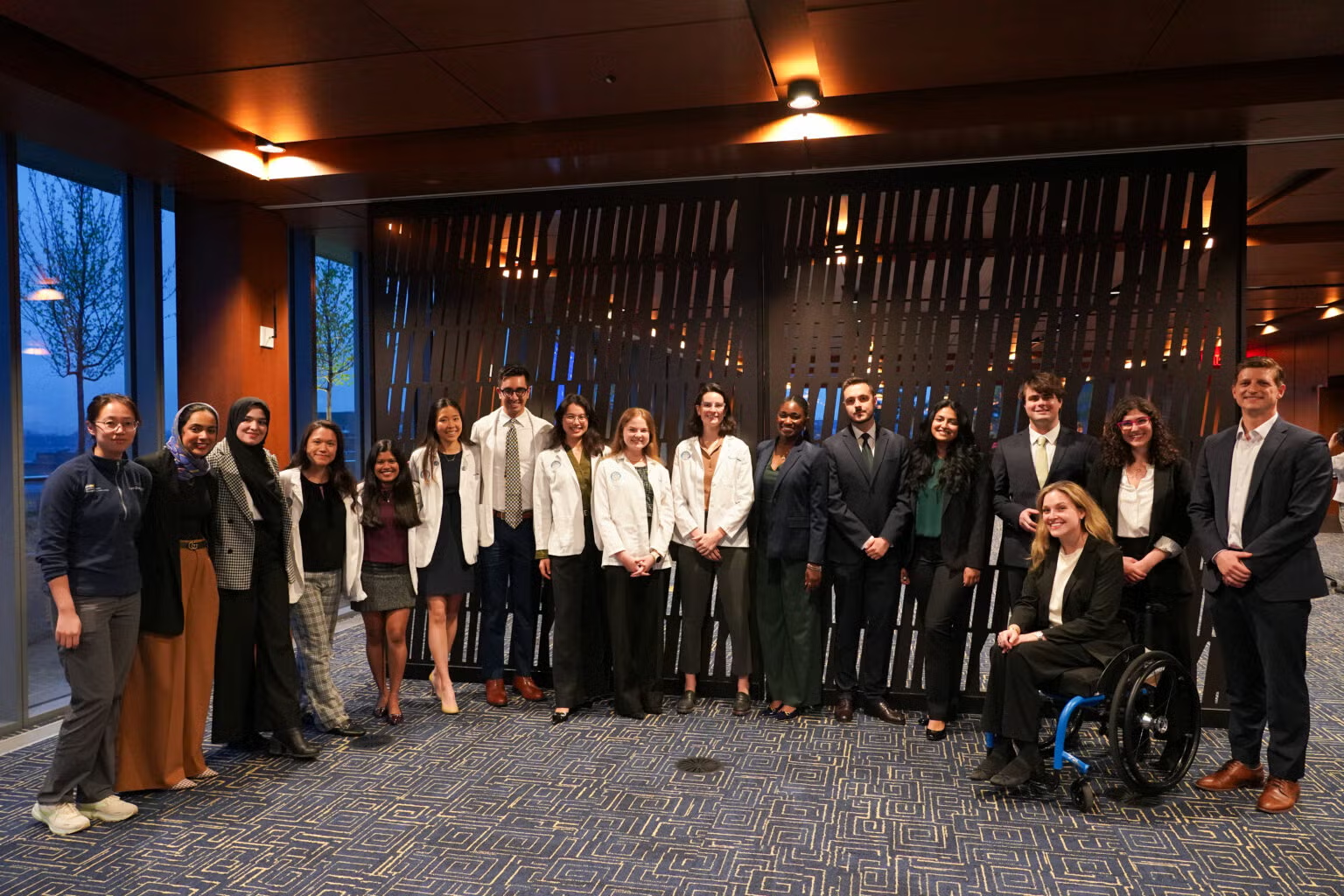
Her interests extended beyond policy frameworks into social cohesion and dialogue. As a graduate assistant at the Center for Faith and Justice, Bashir explored interfaith engagement as a means of addressing societal challenges. A particularly impactful moment came when she attended a church service for the first time.
“It was a meaningful experience to see how different faiths can stand under the same roof, talk about problems, and pray about those problems together,” she reflects.
Now approaching graduation, Bashir is focused on deepening her expertise in development policy while continuing to emphasize dialogue as a tool for meaningful change. For her, policymaking is inseparable from people’s lived experiences.
“Policy is for people,” she says. “Unless you talk to people, you can’t understand them. And if you don’t understand them, you cannot come up with a policy that addresses their issues. This is one of the biggest lessons I learned at McCourt.”
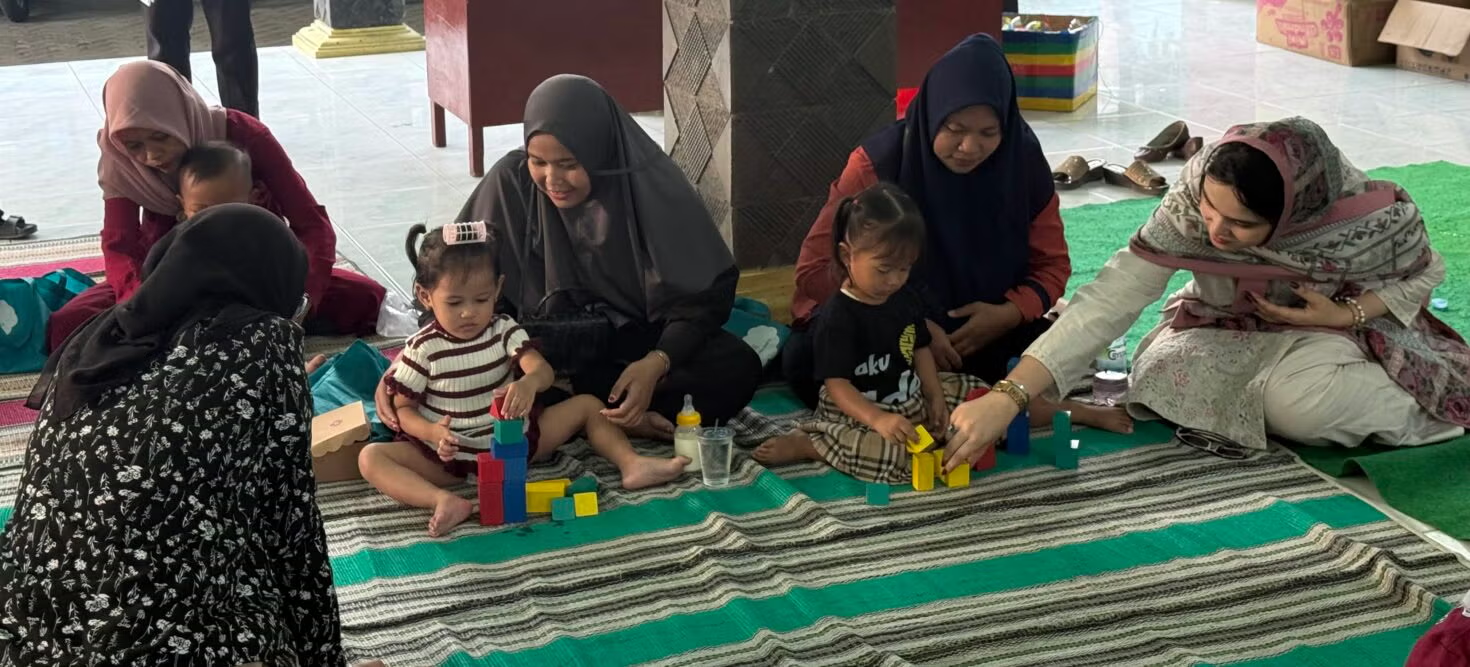
Looking ahead, her ambitions remain firmly rooted in Balochistan. She hopes to return home equipped with the knowledge and skills gained abroad to help address the very challenges that first inspired her journey.
“Graduating with this degree is valuable for me because rarely does somebody from the town I’m from get to study internationally,” she says. “There’s a responsibility on my shoulders to give back.”


