Stakeholders Unite in Islamabad to Combat Human Trafficking and Forced Criminality

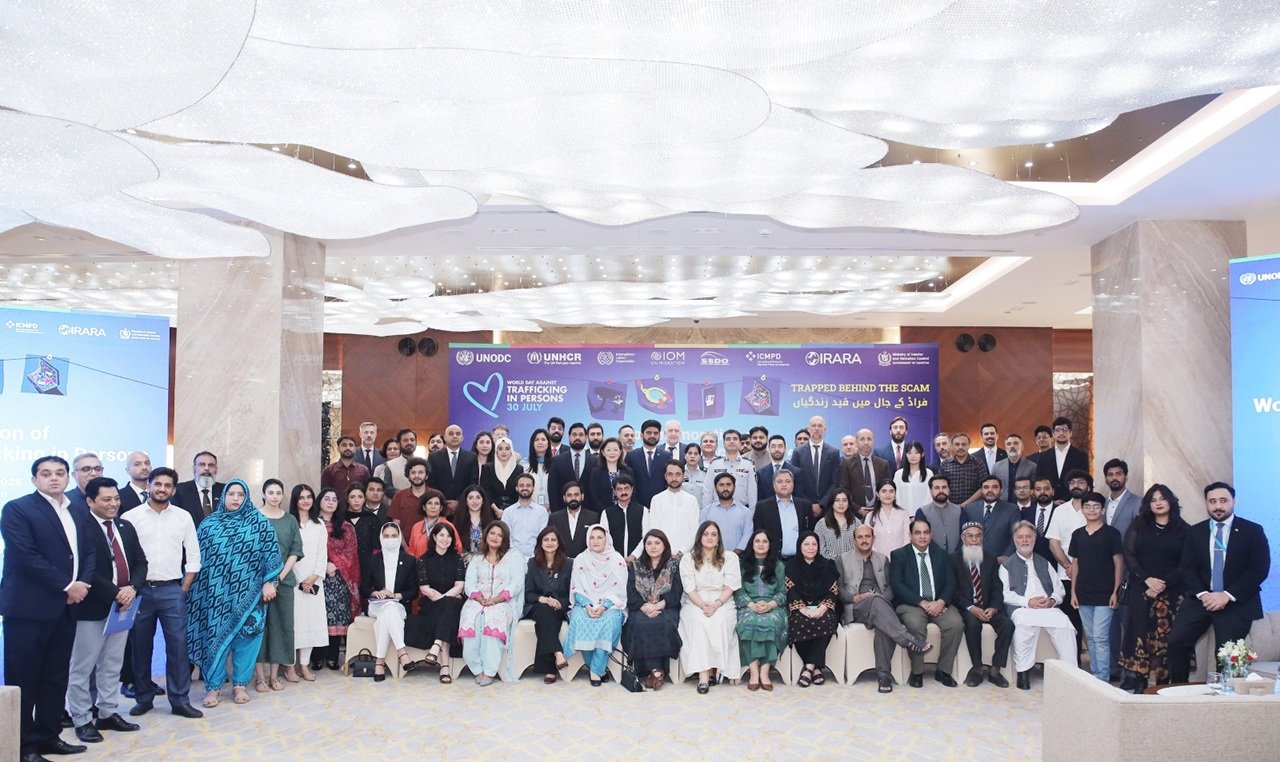

ISLAMABAD: Pakistan joined the international community in observing the World Day against Trafficking in Persons on 30 July, reaffirming its commitment to combating human trafficking, strengthening victim protection, and enhancing cooperation to address the growing threat of trafficking linked to cyber-enabled crimes.
Observed annually across the world, the day aims to raise awareness of the plight of victims of human trafficking while encouraging stronger global efforts to protect and support them. This year’s theme, “Trapped Behind the Scam,” highlights the increasing threat of trafficking in persons for forced criminality, where organized criminal networks exploit vulnerable individuals through deception and coercion, forcing them to engage in criminal activities, including online scam operations and other cyber-enabled crimes that generate significant illicit profits.
To mark the occasion, representatives from federal ministries, government departments, law enforcement and criminal justice institutions, the development sector, civil society organizations, and the diplomatic community gathered in Islamabad for a joint commemoration organized by the Federal Investigation Agency (FIA), United Nations Office on Drugs and Crime (UNODC), International Organization for Migration (IOM), United Nations High Commissioner for Refugees (UNHCR), International Labour Organization (ILO), Sustainable Social Development Organization (SSDO), International Centre for Migration Policy Development (ICMPD), and International Returns and Reintegration Assistance (IRARA).
Representatives of the participating organizations emphasized the importance of collective action to strengthen criminal justice responses, enhance prevention efforts, and ensure comprehensive protection, assistance, and reintegration support for victims of trafficking.


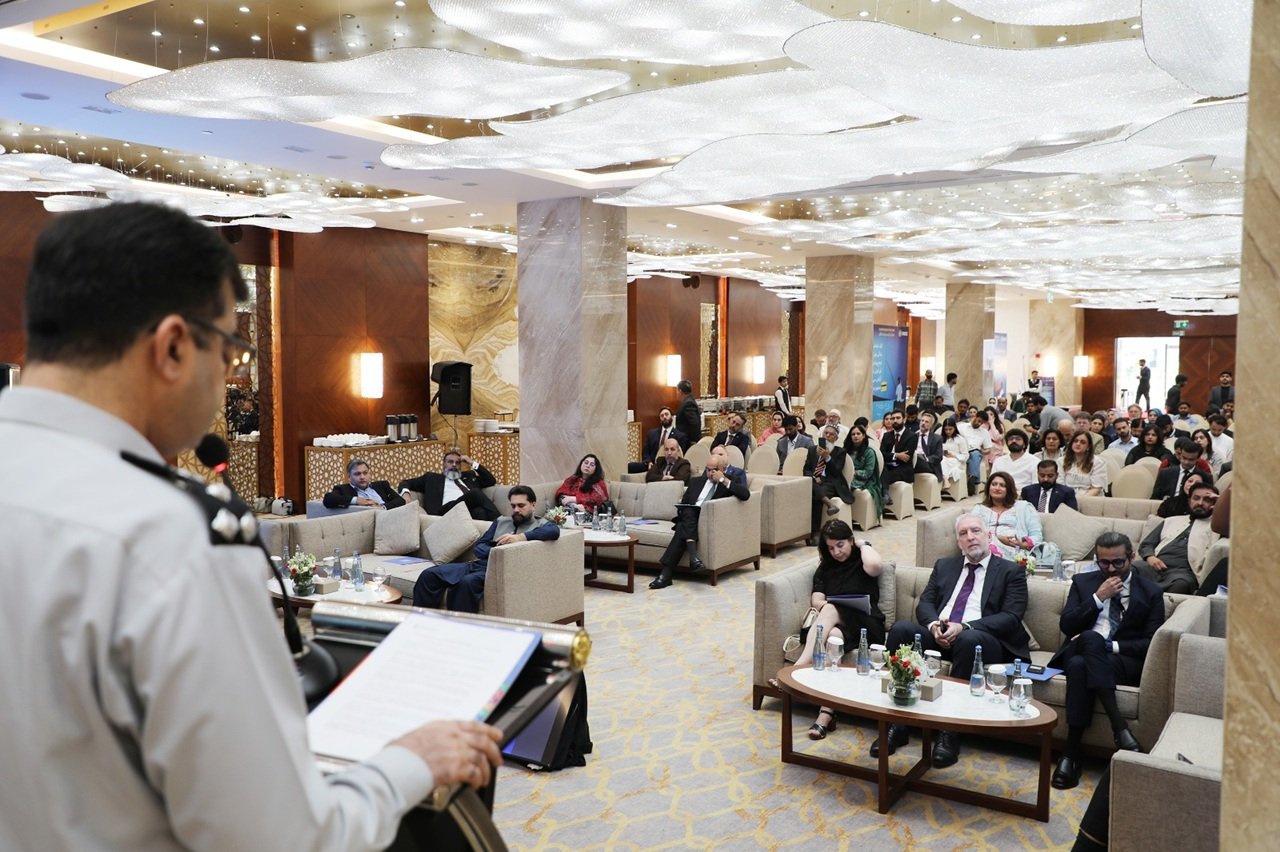
Senior officials from the Ministry of Overseas Pakistanis and Human Resource Development and the Federal Investigation Agency highlighted Pakistan’s ongoing efforts to strengthen its response to trafficking in persons and the smuggling of migrants while promoting safe, orderly, and regular migration.
During the event, officials highlighted key national initiatives, including the National Emigration and Welfare Policy, developed under the leadership of the Ministry of Overseas Pakistanis and Human Resource Development. They also referred to Pakistan’s first dedicated Five-Year National Action Plan to Counter Trafficking in Persons (2026–2030) and the National Action Plan to Counter Smuggling of Migrants (2026–2030), both developed under the leadership of the Ministry of Interior and Narcotics Control.
Addressing the changing nature of trafficking-related crimes, the FIA reaffirmed its commitment to dismantling the illicit financial and cyber operations of criminal organizations by strengthening digital and financial investigations. The agency also pledged to hold accountable those who enable, organize, and profit from these crimes, including facilitators, principal organizers, and financiers.
The commemoration also featured an expert panel discussion titled “Trafficking for Forced Criminality in the Digital Age.” The session brought together experts from law enforcement, legal, protection, and civil society sectors to exchange perspectives, share experiences, and discuss strategies to tackle trafficking for forced criminality and its growing connection with cybercrime.
The event concluded with stakeholders reaffirming their commitment to a whole-of-government and whole-of-society approach to preventing trafficking for forced criminality. Participants stressed the importance of adopting a victim-centered approach that prioritizes victim identification, protection, assistance, reintegration, and the application of the non-punishment principle while strengthening responses to protect vulnerable populations and address the evolving nature of transnational organized crime.