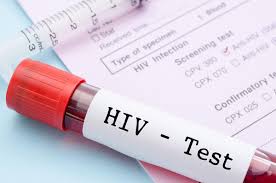
Pakistan’s Silent HIV Crisis: Thousands Diagnosed, Hundreds of Thousands Still Unreached

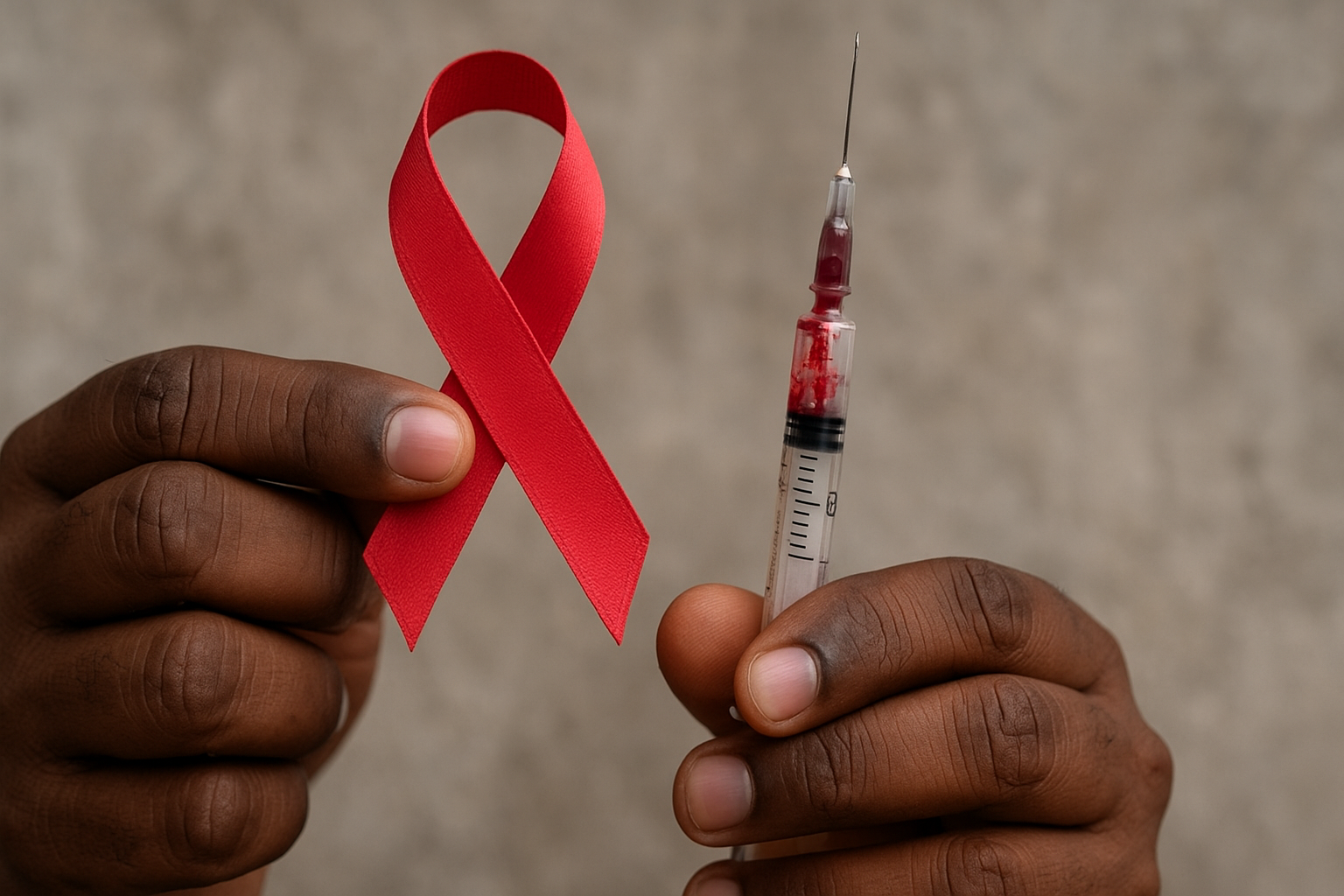

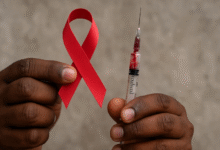
Pakistan’s HIV crisis is growing silently, with official data showing a steady increase in registered cases over the past few years.
According to the National AIDS Control Programme (NACP), the number of registered HIV patients increased from around 57,940 in 2022 to more than 64,000 in 2023, reaching 72,515 in 2024 and 84,421 by December 2025. However, global estimates by UNAIDS and health authorities suggest that the actual number of people living with HIV in Pakistan could be around 369,000, highlighting a major gap between diagnosed cases and those who remain undetected.
In 2025 alone, approximately 14,000 new HIV cases were reported, reflecting the continued spread of the virus and the challenges faced by Pakistan’s healthcare system. Experts say HIV transmission cannot be linked to a single factor; rather, it is connected with a combination of social, economic, and healthcare challenges, including limited testing facilities, lack of awareness, stigma surrounding the disease, unsafe medical practices, inadequate blood screening, and the absence of proper psychological and financial support for vulnerable communities.
Pakistan has established Antiretroviral Therapy (ART) centres to provide free treatment and medicines to HIV-positive patients.
According to the NACP, the country has around 98 ART centres where patients receive antiretroviral medicines, testing, counselling, and follow-up care. By the end of 2025, around 60,785 registered patients were receiving ART treatment.
However, retaining patients within the healthcare system remains a major challenge. The National Assembly’s health committee was informed that nearly 20,000 patients who started treatment later dropped out of care, raising concerns about follow-up mechanisms and long-term support.
The HIV crisis in Pakistan is also closely linked with social vulnerabilities, especially among young people and marginalized communities.
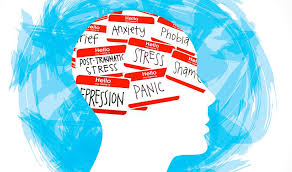
Poverty, unemployment, psychological stress, lack of guidance, and social isolation can increase vulnerability, while fear of discrimination often prevents people from seeking testing and treatment. Health experts argue that stigma remains one of the biggest barriers in controlling HIV because many people avoid diagnosis due to fear of being judged by society.
Pakistan’s HIV response is supported by several international organizations. The Global Fund is one of the largest donors supporting Pakistan’s HIV programme through funding for medicines, testing kits, laboratories, prevention initiatives, and community-based programmes.
Other partners, including UNAIDS, the World Health Organization (WHO), UNDP, and UNICEF, provide technical support, policy guidance, research assistance, and programmes focused on prevention, children, women, and vulnerable groups.
Despite these efforts, major questions remain unanswered. If hundreds of thousands of people may be living with HIV in Pakistan, why are so many still outside the healthcare system? Are testing and treatment facilities available equally across all districts? How effectively is international funding being utilized? And is Pakistan addressing not only medical treatment but also the social, psychological, and economic factors behind the crisis?
Pakistan’s HIV challenge is not only a public health issue; it is also a test of healthcare access, human rights, social awareness, and government accountability. Without breaking the silence around HIV and creating a system based on awareness, support, and dignity, thousands of people will continue to face this crisis unseen and unheard.