IHC Declares PIC Order Unlawful, Arbitrary, and Without Legal Authority, Sets It Aside

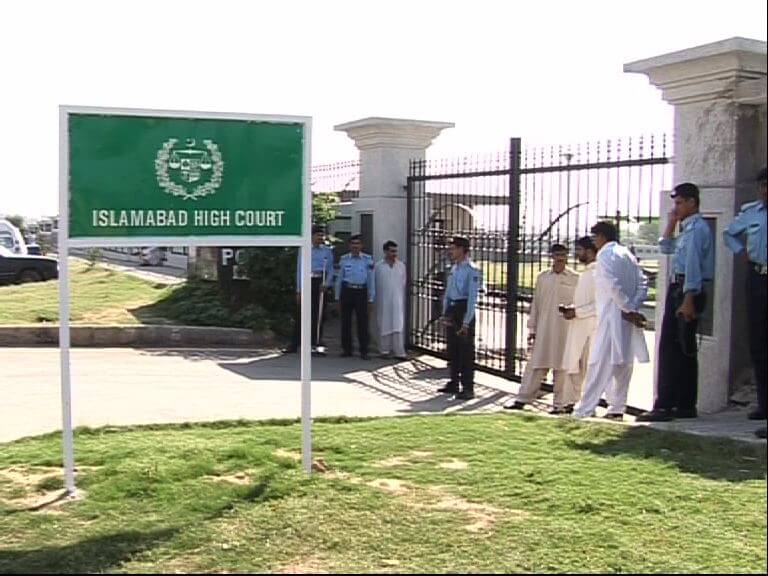

The Islamabad High Court has set aside an order of the Pakistan Commission on Access to Information, ruling in favor of the Federal Board of Revenue (FBR).
The case, titled FBR versus Pakistan Commission on Access to Information and another, was heard by Justice Muhammad Azam Khan, who issued the judgment after reviewing the legal and factual aspects of the matter.
According to court order, the dispute originated when a citizen, Aamir Baloch, requested detailed personal and service information of FBR employees under the Right of Access to Information Act, 2017. The FBR refused to provide the information, arguing that it was confidential in nature and protected under relevant laws.
The Pakistan Information Commission (PIC) on Access to Information subsequently directed the FBR to disclose the requested information. Challenging the order of PIC, the FBR approached the Islamabad High Court, contending that the Commission had exceeded its jurisdiction and misapplied the law.
In its judgment, the High Court observed that the Commission failed to properly assess whether the requested information qualified as “public record” under the law. It clarified that employee-specific data — such as names, recruitment details, grades, appointment methods, and service histories — does not fall within the statutory definition of public record.


The court further held that the Commission overlooked key privacy protections and confidentiality provisions. It emphasized that disclosing such granular personal information would amount to an unjustified intrusion into individuals’ privacy, especially in the absence of any demonstrated overriding public interest.
Additionally, the court noted that the information request was excessively broad and would require extensive compilation, thereby placing a disproportionate administrative burden on the public authority.
While addressing procedural aspects, the court also observed that the law does not mandate automatic rejection of a request solely due to the absence of a copy of the applicant’s CNIC. However, it maintained that other substantive legal requirements must still be fulfilled.
Concluding the case, the Islamabad High Court declared the Commission’s order dated July 31, 2025 as legally flawed and set it aside. The court, however, declined to grant special costs sought by the petitioner.